


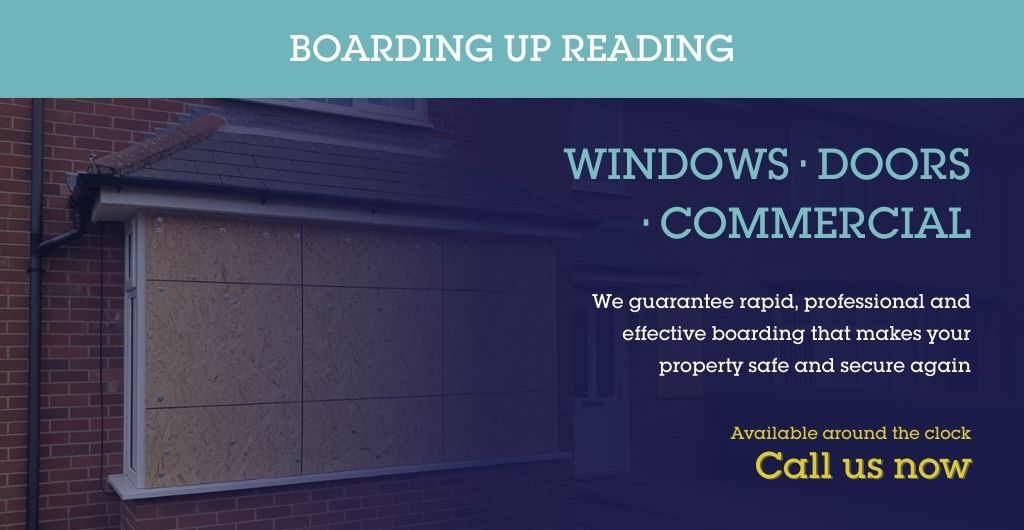
Fire damage boarding up in Reading (RG) — securing your property after a fire
Fire damage is upsetting, disruptive, and often chaotic — especially in the first few hours after the fire service has left. If windows have failed, doors have been forced for access, or the roofline has been compromised, the priority becomes simple: secure the building and stop the weather and opportunists making things worse.
Boarding Up Reading provides fire damage boarding up in Reading and across the RG postcodes (RG1–RG45). We focus on making the property safe and secure with robust, temporary measures while you arrange longer-term repairs through your insurer or contractor.
Need urgent help? Call 01182 308 876 or email info@boarding-up-reading.co.uk.
When fire damage boarding is usually needed
Not every incident looks dramatic from the street, but fire and smoke can leave openings and weak points that need immediate attention. We’re commonly called out after:
- Windows crack or blow out from heat, cold water shock, or impact during firefighting
- External doors are forced for entry (locks damaged, frames split, hinges pulled)
- Shopfront glazing is shattered or left insecure after smoke and heat damage
- Roof tiles, felt, skylights or soffits are damaged, leaving a route for rain and birds
- Partial structural collapse creates exposed areas that must be sealed off
- Vacant or cordoned properties need securing while investigations or drying works take place
In Reading, this can affect everything from Victorian terraces with timber sash windows (common around central RG1 and older streets in RG30/RG31) through to modern flats and mixed-use buildings around busy commercial areas. The goal is the same: secure access points and reduce ongoing loss.
If you’re unsure whether boarding is necessary, we’ll talk you through what to look for. We’re not a fire restoration company — we secure the building so your next steps can happen safely.
First steps after a fire (practical guidance)
If you’ve had a fire, the paperwork and phone calls can feel relentless. These steps help you protect yourself and your claim:
- Wait for clearance: Only re-enter when the fire service says it’s safe.
- Take photos if safe: Quick photos of openings and damage can help insurers later.
- Get your incident details: Keep your fire incident reference and any police reference number if applicable.
- Call your insurer early: They may advise immediate securing to prevent further damage.
- Arrange emergency securing: Boarding, temporary doors, or roof protection where needed.
If the property is commercial, you may also need to notify your landlord, managing agent, or facilities team and confirm any site access requirements.
For urgent securing, see emergency boarding up.
What we do: securing a property after fire damage in Reading
Fire scenes are rarely straightforward. There may be water damage, brittle frames, soot, debris, and restricted access. Our job is to make the building secure without creating unnecessary extra damage.
1) On-site assessment and safe access
We start by checking the vulnerable points: front/rear doors, ground-floor windows, any broken glazing, and roofline issues visible from ground level. If access is restricted (for example, taped-off areas or a shared entrance in a block), we’ll coordinate with the responsible person on site.
We’re practical about limitations: if a frame is too damaged for non-destructive methods, we’ll explain the options before proceeding.
2) Boarding up broken windows and glazed doors
For most fire-affected openings we use:
- 18mm exterior-grade plywood for strong, reliable protection
- 12mm OSB for smaller or less exposed openings where appropriate
Fixing method depends on the substrate and condition:
- Reveals and masonry may take secure fixings into sound material
- Damaged timber frames may require spanning and bracing to avoid further break-up
- Anti-tamper fixings can be used where the property will be unattended or at higher risk of interference
If you specifically need this service, see window boarding in Reading.
3) Securing damaged doors (including temporary steel doors)
After a fire, it’s common for external doors to be:
- swollen or warped from heat and water
- split around the lock area
- no longer closing properly, leaving a visible gap
Where the opening needs stronger protection than timber boarding alone, we can fit a temporary steel door. This is often the best option for:
- properties that will be empty for weeks
- repeated access by insurers, adjusters, surveyors or contractors
- high-risk locations where a boarded doorway could attract attention
Learn more about door boarding in Reading.
4) Shopfronts and commercial glazing after a fire
For shops, cafés, offices and other commercial units, fire damage can create wide, exposed openings — especially if glazed frontage has failed. Our shopfront boarding is designed to be:
- strong across large spans
- secure against tampering
- installed with consideration for shutters, sign trays, and shared building frontage
See shopfront boarding in Reading.
5) Roofline, skylights and overhead openings
Fire can damage roof coverings and skylights, and firefighting can disturb tiles, felt, flashing, or rooflights. Even a small opening can allow significant water ingress in bad weather.
Where safe access is available, we can board or protect vulnerable roof openings and skylights to reduce further damage. See roof boarding in Reading.
What you can expect when you call us
When you contact Boarding Up Reading, we’ll ask a few quick questions to understand what’s needed:
- Property address and RG postcode
- What’s damaged: windows, doors, shopfront, roof/skylight
- Whether the building is occupied, vacant, or being managed by an agent/insurer
- Any access issues (keys, shared entrances, on-site contact, cordons)
We don’t promise fixed arrival times — fire incidents can be unpredictable and conditions vary — but we prioritise urgent calls and keep communication clear.
After the work, you’ll receive:
- time-stamped photos of secured openings (useful for insurers/landlords)
- an itemised invoice and a clear work statement describing what was installed and where
For help with documentation, see insurance claims support. We’re not loss adjusters or legal advisers, but we can provide the evidence insurers typically ask for.
Common fire-damage scenarios we handle (Reading & RG)
Fire incidents vary, but these are situations we regularly secure:
- Kitchen fires causing cracked rear windows and damaged patio doors
- Electrical fires in lofts leading to rooflight failure or missing tiles around the opening
- Bin store or external fires that melt uPVC frames and leave ground-floor windows vulnerable
- Small commercial fires where smoke/heat compromises shopfront glazing and doors
- Arson or vandalism-related fires where the property must be secured quickly and discreetly
If you’re also dealing with malicious damage, you may find vandalism repair and boarding useful.
A realistic example: securing a smoke-damaged flat entrance and broken glazing
A typical callout might be a flat in a multi-occupancy building where the fire has been contained, but the front door has been forced and a nearby window has cracked due to heat and water.
In cases like this, we’ll:
- assess the door frame and decide whether door boarding is sufficient or if a temporary steel door is the better option for ongoing access
- board the damaged window using appropriately sized sheet material and fixings suited to the surrounding structure
- provide time-stamped photos and a clear description of the work for the building manager/insurer
The priority is restoring a secure perimeter without getting in the way of follow-on contractors.
What boarding up can’t do (and what to arrange next)
It’s important to be clear about scope. Boarding up is about security and immediate weather protection. It does not replace:
- fire and smoke remediation / odour treatment
- electrical testing and certification
- drying, dehumidification, or mould remediation
- structural repairs and glazing replacement
We’ll secure the openings so those specialists can work safely and so the property is protected in the meantime.
If your property is likely to stand empty during repairs, you may want to consider longer-term options via vacant property boarding solutions.
Fire damage FAQs (Reading & RG)
Can you board up a property after the fire service has left?
Yes — this is one of the most common times we’re called. Once the fire service has made the scene safe to hand back, we can secure broken windows, compromised doors, and exposed areas.
Will my insurance cover fire damage boarding up?
Often, insurers cover “reasonable steps” to prevent further loss, which can include securing damaged openings. Cover varies by policy, so it’s best to notify your insurer early. We can provide photos and documentation—see insurance claims support.
How long does fire damage boarding up take?
It depends on the number and size of openings, access, and how stable the surrounding frames are. A single window can be straightforward; a shopfront or multiple openings will take longer. We’ll give you a clear plan once we’ve seen the damage.
Can you secure a fire-damaged door if the frame is damaged?
Usually, yes. If the frame is too compromised for standard boarding methods, we’ll explain alternatives such as a temporary steel door or additional bracing before any work starts. See door boarding in Reading.
Do you cover areas outside Reading town centre?
Yes — we cover Reading and the wider RG postcode area (RG1–RG45). You can check nearby locations on areas we cover.
Next steps: secure the building, then deal with the repairs
If you’ve had a fire, securing the property quickly helps protect what’s left, supports your insurance process, and reduces the chance of further damage from weather or intruders.
Need help now? Call 01182 308 876 for immediate assistance.
Prefer email? Contact info@boarding-up-reading.co.uk.
